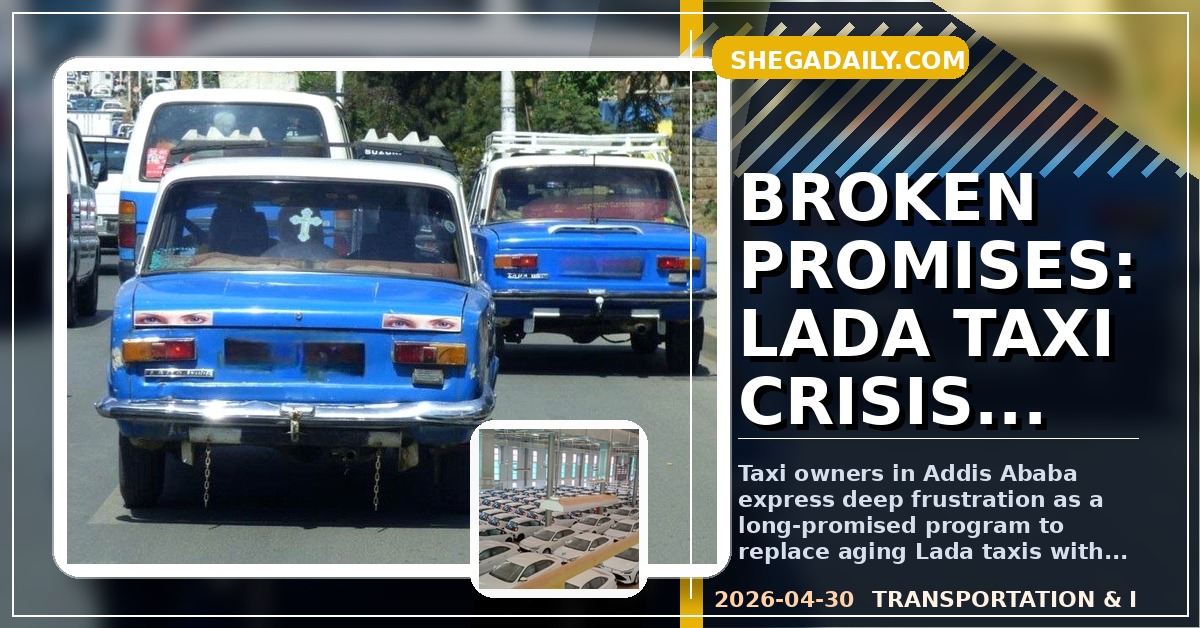
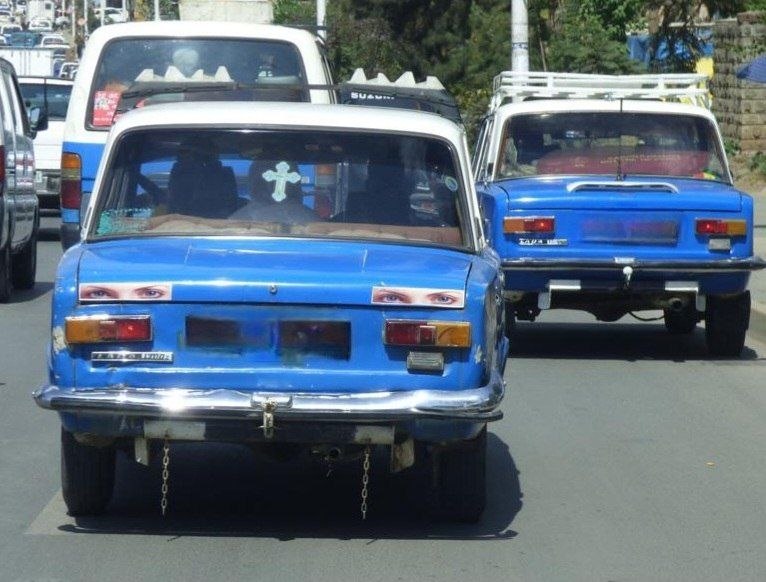
The iconic blue and white Lada taxis that have defined the streets of Addis Ababa for decades are at the center of a growing social crisis. Years after the Ethiopian government and various transport associations announced a high-profile initiative to replace these aging vehicles with modern alternatives, many owners claim they have been left in a state of economic limbo.
"We were sold hope, but we were left empty-handed," is the prevailing sentiment among taxi owners who participated in the program. Launched approximately five years ago, the modernization scheme was intended to phase out the decades-old Russian-made Ladas in favor of newer, more fuel-efficient vehicles. The program was initially met with enthusiasm, as it promised to improve the city's transport infrastructure and provide drivers with more reliable tools for their livelihoods.
However, the transition has been marred by significant delays and administrative hurdles. Many taxi owners who relied on the promise of new vehicles now find themselves struggling to maintain their current, deteriorating cars. The situation is further exacerbated by Ethiopia's current economic climate, characterized by high inflation and a rising cost of living. For many working-class drivers, the failure to deliver on the replacement program is not just a policy delay; it is a direct threat to their daily survival.
The taxi owners report that despite initial payments and agreements, the delivery of new vehicles has stalled. While some drivers managed to receive new cars in the early stages of the program, a vast number remain stuck with aging Ladas that are increasingly difficult to repair due to the scarcity and high cost of spare parts. This has created a two-tier system among the city's taxi operators, leaving those with older vehicles at a significant competitive disadvantage.
As the frustration grows, the owners are calling for transparency and a clear timeline from the relevant authorities. They argue that the "great news" shared years ago has turned into a source of bitterness and regret. Without a swift resolution, the future of these small-scale transport providers remains uncertain, highlighting the broader challenges of urban modernization in a rapidly changing economic landscape.
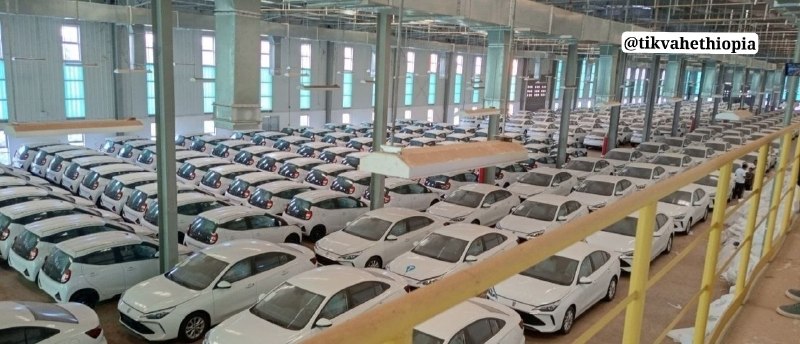
Source: Telegram / tikvahethiopia