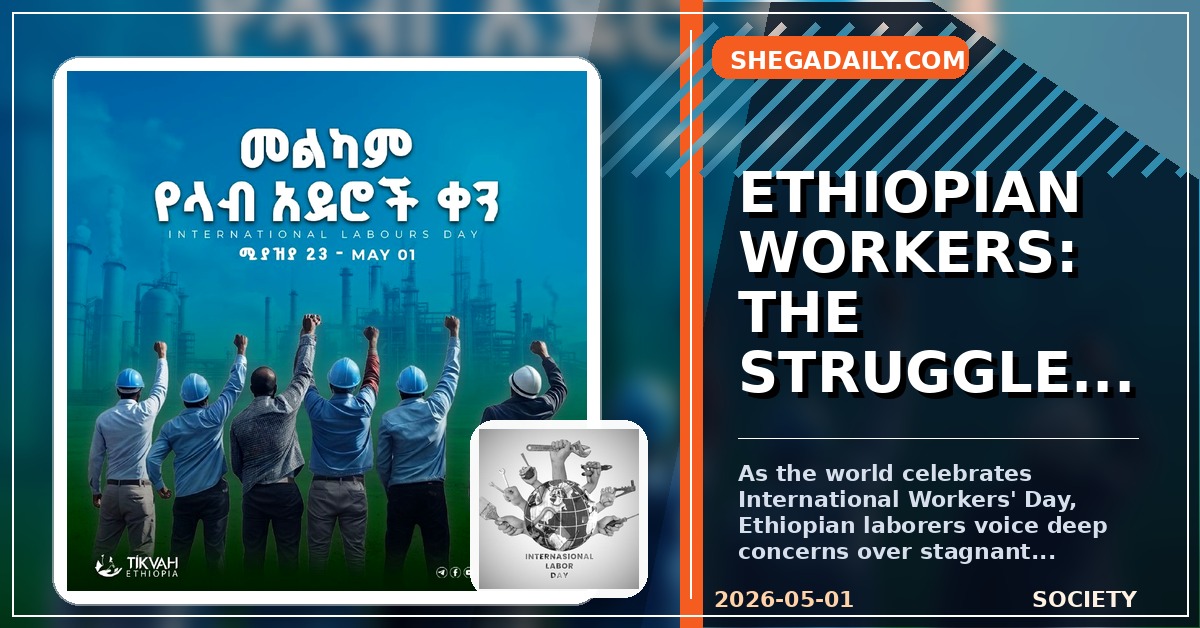
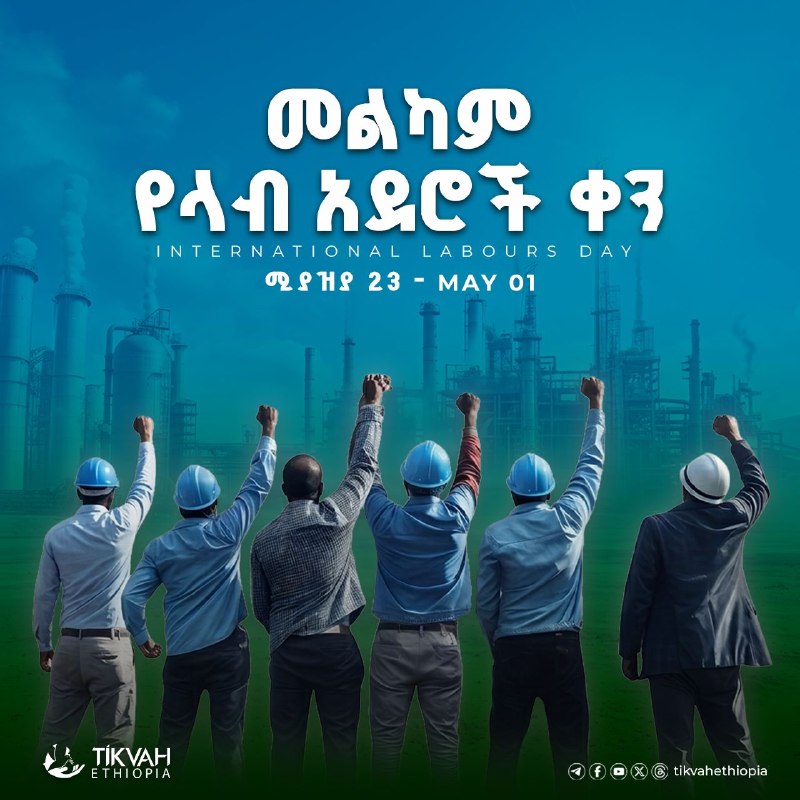
On May 1st, as the world observes International Workers' Day, the atmosphere in Ethiopia is one of reflection rather than pure celebration. While the day is intended to honor the contributions of the labor force, many Ethiopian workers find themselves locked in a daily battle for survival against an increasingly harsh economic landscape.
From the sprawling industrial parks to construction sites and factories across the nation, the Ethiopian workforce continues to drive the country's development. However, this dedication is often met with systemic challenges. The primary grievance voiced by workers today is the staggering rise in the cost of living. Skyrocketing food prices, increasing house rents, and the rising cost of transportation have placed immense psychological and economic pressure on households.
For many, monthly salaries are exhausted almost as soon as they are received. A significant factor contributing to this vulnerability is the absence of a national minimum wage in Ethiopia. Labor advocates argue that this policy gap allows for widespread exploitation, particularly in the private sector and industrial zones, where earnings often fail to cover even the most basic daily necessities.
The situation is further complicated by reports of workplace intimidation. Workers who attempt to advocate for better pay or improved conditions frequently face threats of dismissal, with employers often citing high unemployment rates as a reason to keep wages low. The perceived weakness of labor unions has also left many employees without a strong collective voice to negotiate for their rights.
There is a growing disconnect between corporate success and worker welfare. While numerous companies report millions or even billions in annual profits, the lives of the employees who generate that wealth often remain unchanged. Critics argue that if a company’s growth does not translate into improved living standards for its staff, that growth is fundamentally hollow.
As International Workers' Day concludes, the message from the Ethiopian labor force is clear: celebrations and speeches are not enough. There is an urgent call for tangible policy reforms, including the establishment of a fair minimum wage and stronger legal protections to ensure that those who build the nation can live with dignity and security.
Source: Telegram / tikvahethiopia