Recent reports circulating on social media claiming that the fuel transport issues between Djibouti and Ethiopia have been resolved are being flatly denied by the drivers on the front lines. Despite rumors suggesting that fuel is now flowing into the country in large quantities, interviews with truck drivers reveal a starkly different and more troubling reality.
Tikvah Ethiopia has been gathering information from drivers currently stationed in Djibouti and those who have recently returned. One driver, when asked if the claims of normalized transport were true, responded bluntly: "This is a lie." He added that many drivers have actually abandoned their routes and returned to Addis Ababa because the situation remains stagnant.
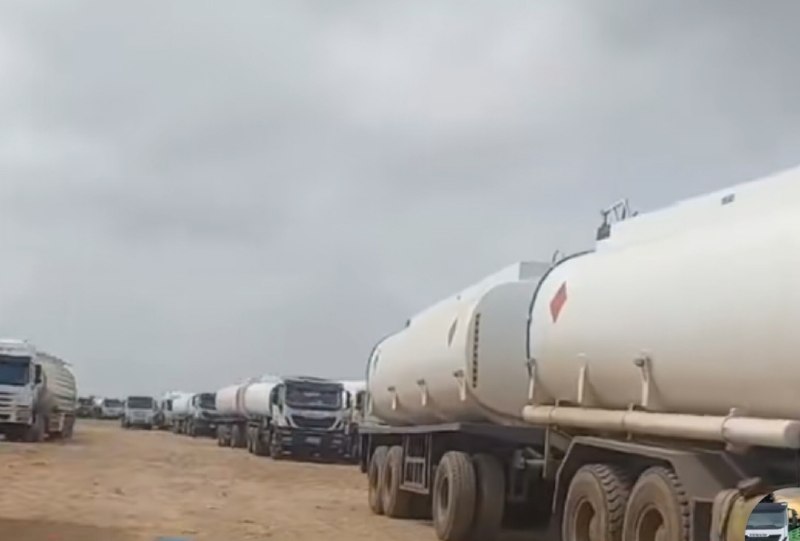
According to the drivers, the volume of fuel being transported has seen a massive decline. In the past, during relatively stable periods, upwards of 200 to 500 trucks would be loaded with fuel daily. Currently, that number has plummeted to between 45 and 72 trucks per day. "The loading capacity at the port is high, but the quota allowed to enter Ethiopia has been drastically reduced," one driver explained.
The crisis is not just logistical but also humanitarian for the workers involved. Some drivers reported being stranded in Djibouti for over 40 days, facing hunger and illness while waiting for cargo that never came. Many have been forced to park their vehicles and return to Addis Ababa by other means, incurring heavy personal costs. One driver mentioned spending over 4,000 Birr just for transport back home after leaving his truck behind.
Furthermore, drivers highlighted systemic bottlenecks, including a shift in payment and documentation processes. Some reported that while they were previously assigned to transport diesel, they were suddenly told diesel would not be distributed to certain districts. Requests to switch to gasoline were met with bureaucratic hurdles, including long wait times for Telebirr-based clearances and specific quotas for a limited number of vehicles.
The physical evidence on the roads also contradicts the social media narrative. Drivers noted that while they used to see 300 to 400 fuel trucks on the road between Dire Dawa and Galafi, they now see as few as 15 to 20. There are also allegations of unfair distribution, with some gas stations reportedly receiving preferential quotas while others remain dry.
As the fuel shortage continues to impact the daily lives of Ethiopians, the gap between social media narratives and the operational reality at the Djibouti corridor remains a significant concern for the nation's economy and transport sector.
Source: Telegram / tikvahethiopia