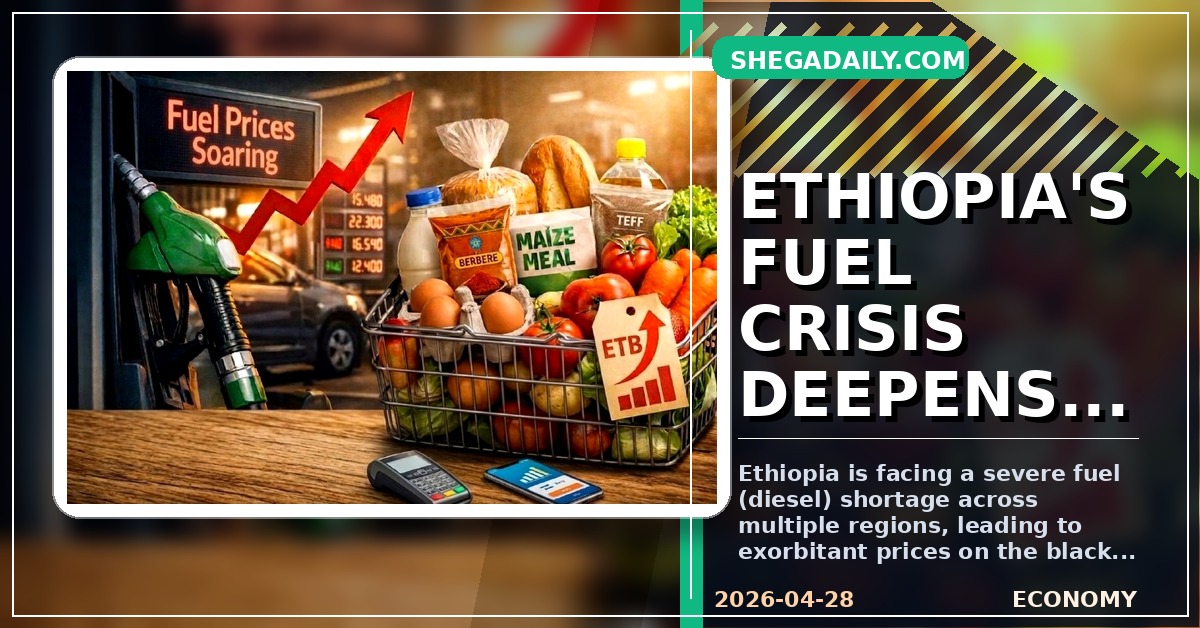
Ethiopia is currently grappling with a severe and escalating fuel (diesel) shortage across various regions, exerting immense pressure on the daily lives of its citizens and triggering a ripple effect throughout the economy. The scarcity has fueled a rampant black market where fuel is sold at exorbitant prices, exacerbating the crisis.
Reports indicate that despite the official shortage, illegal fuel trade is flourishing. Vehicles that queue for hours, sometimes days, to fill up are reportedly diverting their supply to the black market, reselling it at significantly inflated rates. This illicit activity undermines efforts to manage the supply and further distorts market prices.
The direct consequence of this fuel crisis is a sharp increase in transportation costs and the prices of essential goods. Members of the Tikvah Ethiopia community have reported alarming instances, such as 30 liters of diesel being sold for up to 27,000 Ethiopian Birr in some areas. This dramatic price surge has caused short-distance transport fares, which were previously around 150 Birr, to skyrocket to over 500 Birr.
This inflationary pressure disproportionately affects the segment of society with stagnant incomes. Traders, citing increased fuel and transport expenses, are raising prices to offset their costs. However, fixed-income earners, particularly the salaried community, are struggling to cope with the escalating burden of rent, food expenses, and children's school fees, pushing many to a critical financial breaking point.
The fuel shortage and the expansion of the black market are creating a chain reaction that impacts nearly all business sectors. From agriculture, which relies on diesel for machinery and transport, to manufacturing and retail, the increased cost of logistics and operations is being passed on to consumers, further fueling inflation.
The capital, Addis Ababa, is not immune to the crisis. Residents seeking diesel face arduous waits, often spending up to four days queuing outside fuel stations. Even after such prolonged waits, there is no guarantee of success, with many being turned away as supplies run out. This situation highlights the systemic nature of the problem and the widespread disruption it is causing.
Ethiopia, a landlocked nation, is heavily dependent on imported fuel. Recurring fuel shortages often stem from a combination of factors including foreign currency scarcity, logistical challenges, and disruptions in the global supply chain. While the government often implements subsidies to stabilize prices, the current crisis underscores the vulnerability of the supply system and the severe socio-economic consequences when it falters. The current situation demands urgent and comprehensive intervention to stabilize fuel supply, curb illegal trade, and mitigate the severe impact on the populace and the broader economy.
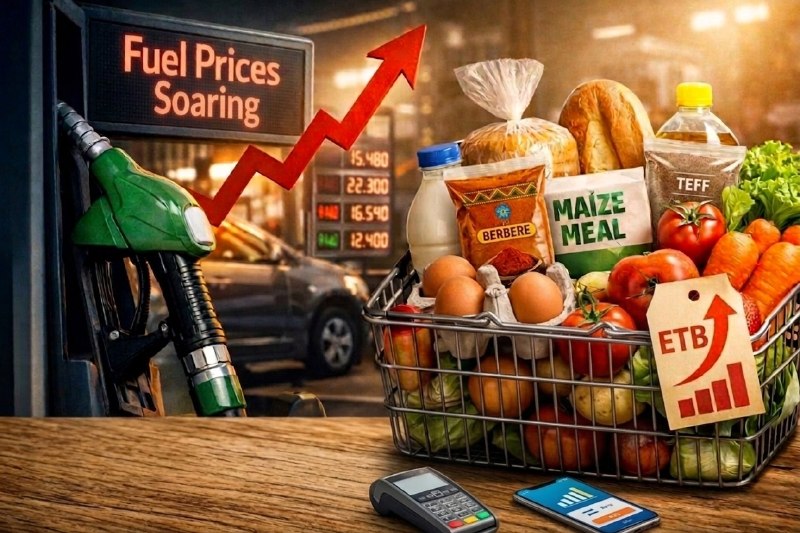
Source: Telegram / tikvahethiopia