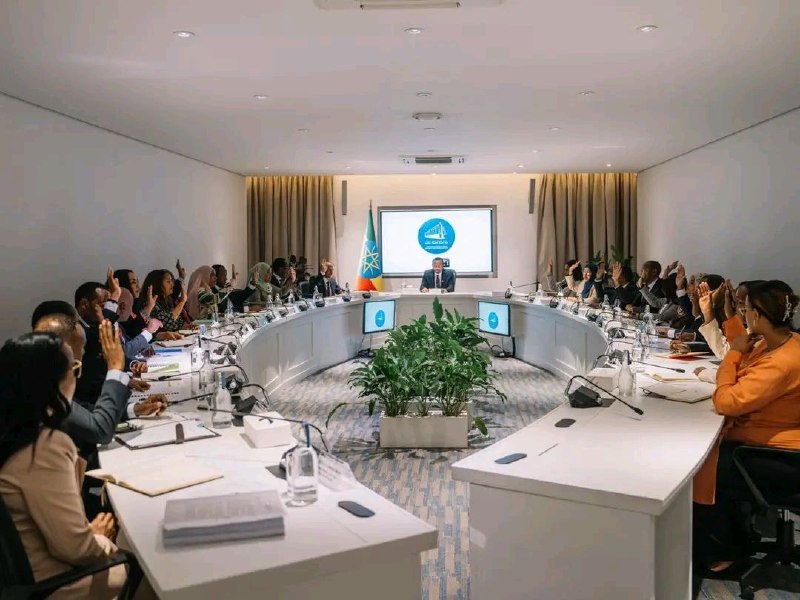
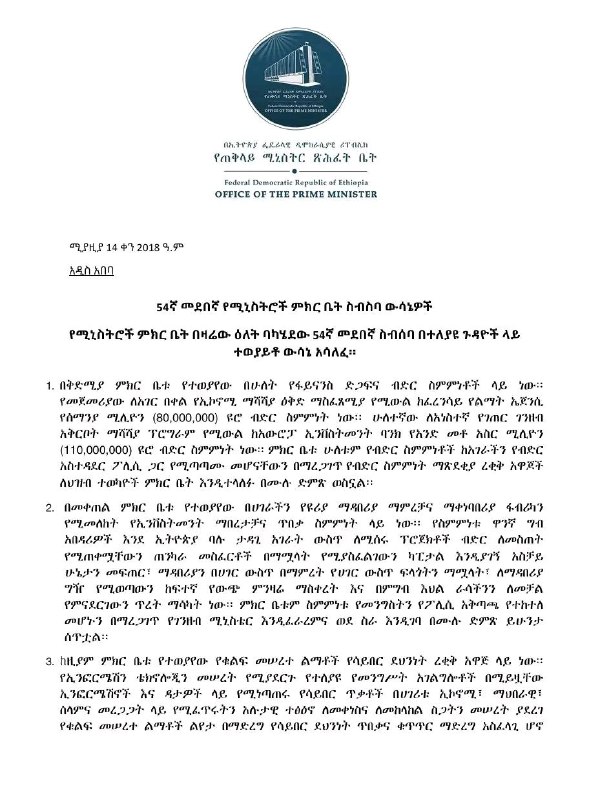
Addis Ababa, Ethiopia – In a pivotal session held on April 22, 2026, Ethiopia's Council of Ministers convened its 54th regular meeting, making crucial decisions on a range of economic issues, including the approval of significant loan agreements and a strategic investment in domestic industrial production.
The Council unanimously endorsed two major loan agreements totaling €190 million, aimed at bolstering the nation's economic reform efforts and enhancing financial access in rural areas. The first agreement, securing €80 million from the French Development Agency (AFD), is earmarked for the implementation of Ethiopia's Indigenous Economic Reform Plan. This comprehensive agenda, launched in 2019, seeks to foster macroeconomic stability, drive structural reforms, and stimulate private sector growth across various sectors of the economy.
The second loan, amounting to €110 million, comes from the European Investment Bank (EIB) and is designated for the Small Rural Financial Supply Improvement Program. This initiative is critical for expanding financial inclusion, providing much-needed capital to rural communities, and supporting small-scale agricultural and entrepreneurial ventures, thereby contributing to poverty reduction and balanced regional development. The Council confirmed that both draft proclamations align with the country's credit management policy and has forwarded them to the House of Peoples' Representatives for final ratification.
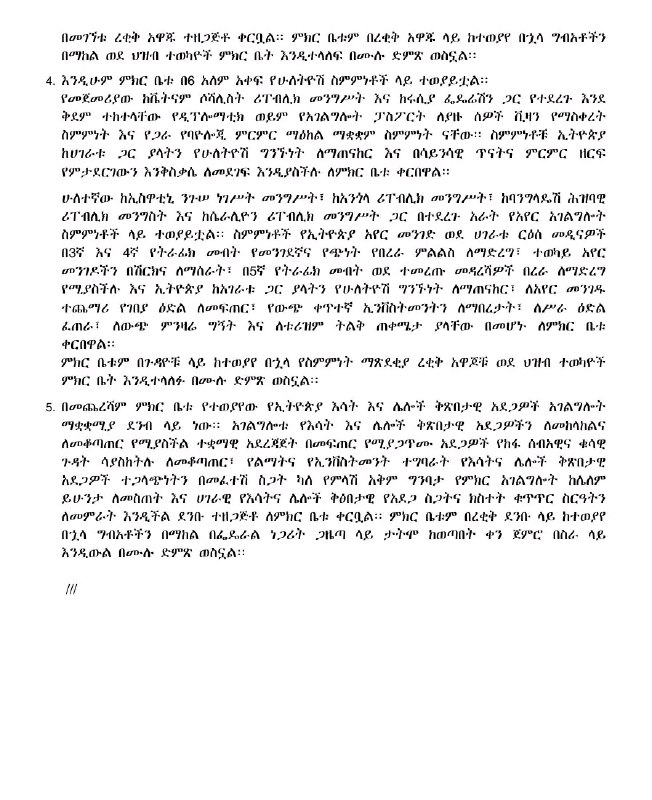
Beyond financial agreements, the Council also gave its approval to an investment incentive and protection agreement for the establishment of a domestic urea fertilizer production and processing factory. This strategic move is anticipated to yield substantial benefits for the Ethiopian economy and its agricultural sector.
The establishment of a local urea fertilizer plant is expected to significantly reduce Ethiopia's reliance on imported fertilizers, thereby saving valuable foreign currency reserves. As a predominantly agrarian nation, Ethiopia's agricultural productivity is heavily dependent on consistent and affordable access to fertilizers. Domestic production will not only ensure a more stable supply but also contribute directly to the government's ambitious goal of achieving food self-sufficiency.
Furthermore, the project is seen as a vital step towards industrialization and job creation within the country. By replacing imports with local production, Ethiopia aims to strengthen its domestic manufacturing capacity and create new employment opportunities across the value chain, from raw material sourcing to processing and distribution. The Council has authorized the Ministry of Finance to proceed with signing the agreement, paving the way for the official commencement of this transformative project.
These decisions underscore the Ethiopian government's commitment to its Homegrown Economic Reform Agenda, focusing on sustainable development, enhancing agricultural output, and fostering a more resilient and self-reliant economy. The combined impact of these financial injections and strategic industrial investments is expected to drive economic growth and improve livelihoods across the nation.
Source: Telegram / tikvahethiopia