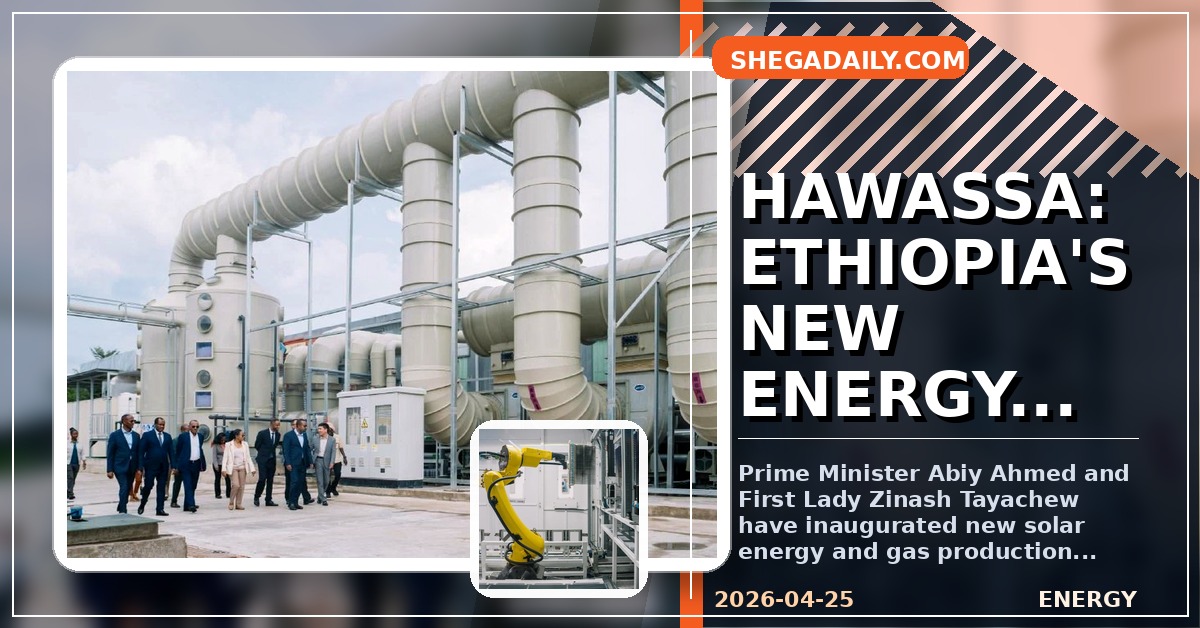
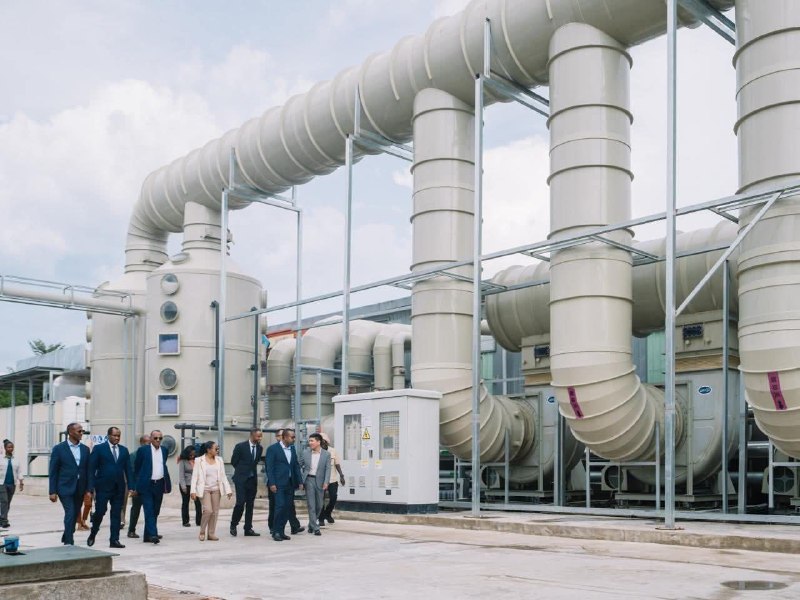
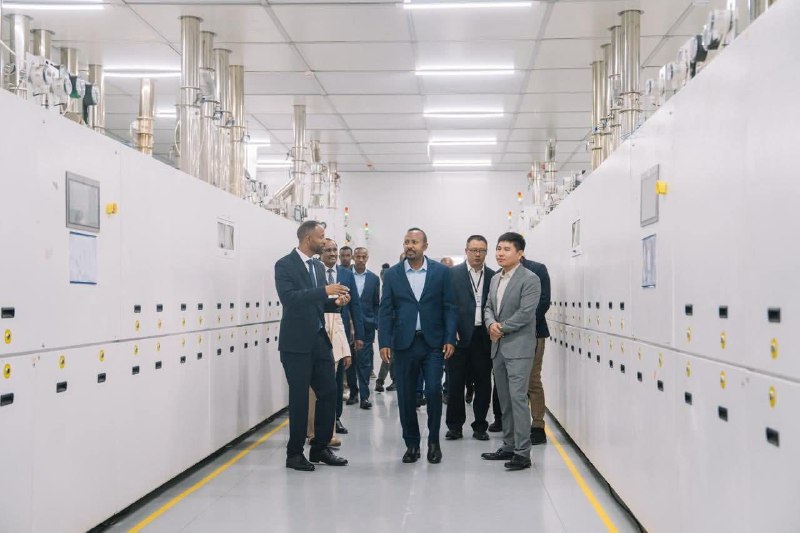
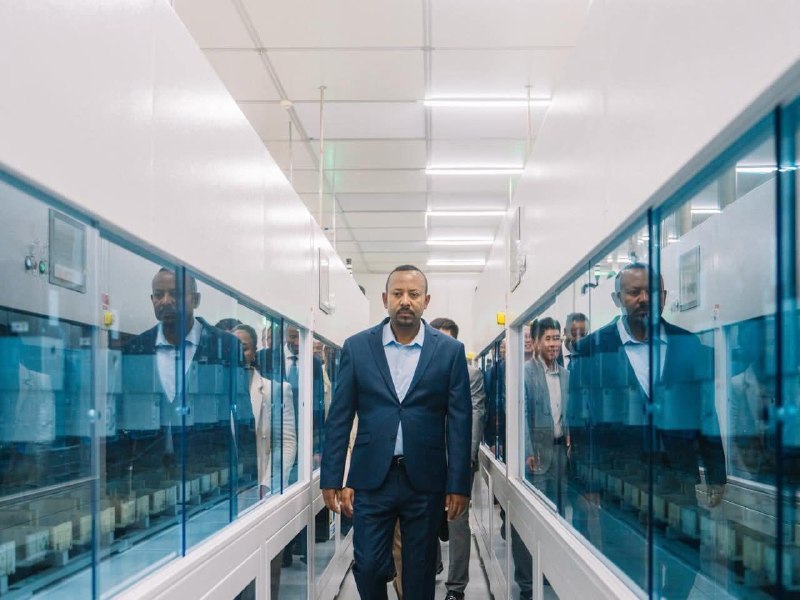
Hawassa, Ethiopia – Prime Minister Abiy Ahmed and First Lady Zinash Tayachew officially inaugurated three new solar energy factories and a gas production plant within the Hawassa Industrial Park, marking a significant stride in Ethiopia's industrialization and clean energy ambitions.
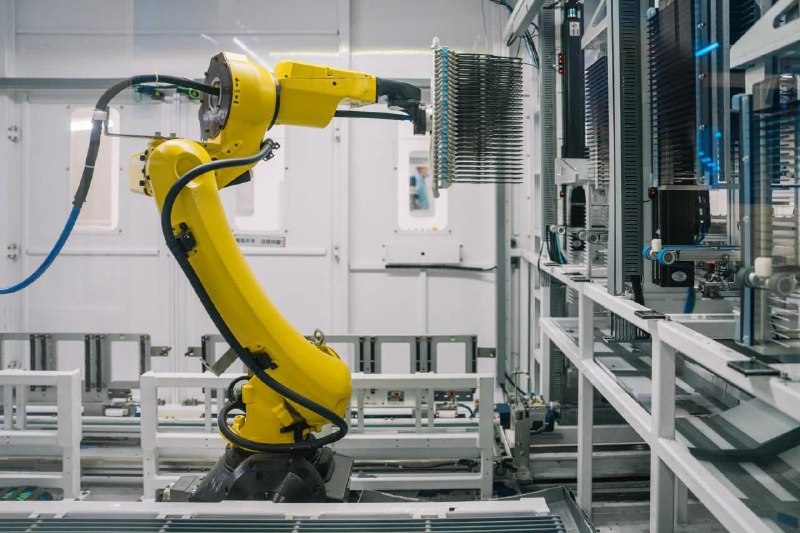
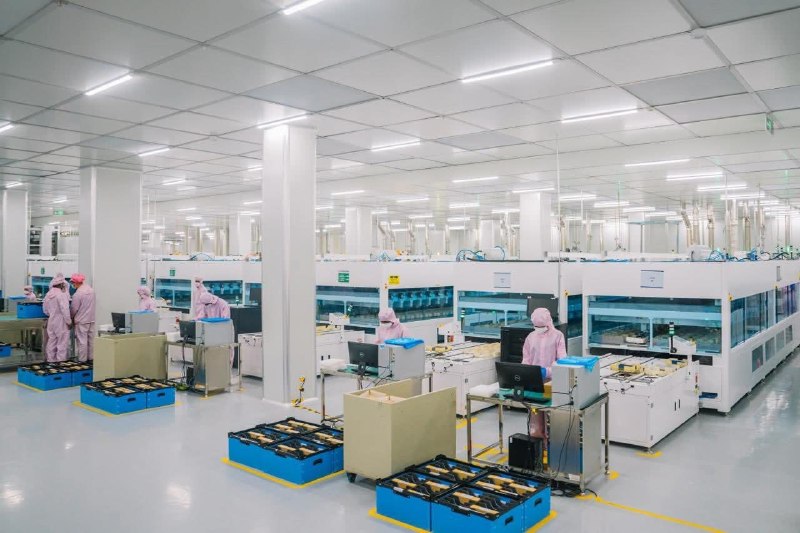
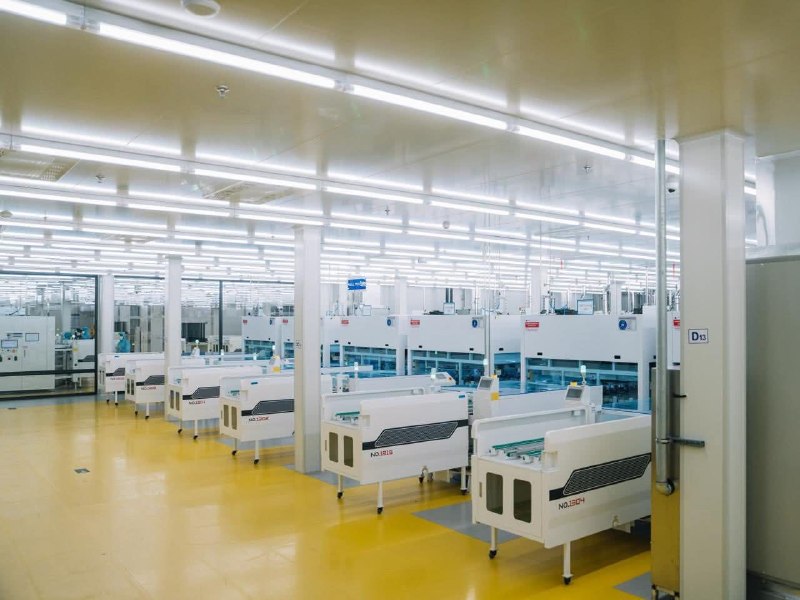
The newly commissioned facilities include the Toyo Solar Energy Phase Two, Origin, and Lumintech solar factories. These plants are projected to collectively generate 11.3 gigawatt-hours of clean energy annually, as announced by the Prime Minister's Office. This substantial output is expected to contribute significantly to the nation's renewable energy portfolio, diversifying its energy mix and supporting its green growth strategy.
Alongside the solar facilities, the H.Z Gas production factory was also launched. This plant is set to supply 900 tons of oxygen, 40,000 tons of nitrogen, and 7 tons of hydrogen to the market each year. These gases are crucial for various industrial processes, medical applications, and other sectors, reducing Ethiopia's reliance on imports for these vital commodities.
The Prime Minister's Office emphasized the strategic importance of these inaugurations, stating, "This achievement is considered a major milestone in accelerating Ethiopia's renewable energy development, ensuring energy security, and realizing the strategy designed to achieve sustainable, resilient, and comprehensive growth." This statement underscores the government's commitment to fostering a green economy and enhancing national self-sufficiency in critical industrial inputs.
The Hawassa Industrial Park, a flagship project in Ethiopia's industrialization drive, continues to attract significant investment and play a pivotal role in the country's economic transformation. The addition of these energy and gas production facilities further solidifies the park's status as a hub for advanced manufacturing and sustainable development. Ethiopia's broader strategy involves developing a network of such industrial parks across the country to attract foreign direct investment, create job opportunities, and boost local manufacturing capabilities.
Ethiopia has been actively pursuing a path of green growth, aiming to become a middle-income country by 2025 while maintaining a carbon-neutral economy. The nation possesses vast renewable energy potential, primarily in hydropower, but is increasingly diversifying into solar, wind, and geothermal sources. Investments in solar energy are crucial for meeting the growing energy demands of its rapidly expanding industrial sector and urban population, as well as for enhancing energy independence.
These new factories are expected to create numerous job opportunities for local communities, facilitate technology transfer, and boost domestic production capabilities. By reducing reliance on imports for industrial gases and clean energy, the projects contribute to foreign exchange savings and strengthen the national economy. The focus on renewable energy also aligns with global efforts to combat climate change and positions Ethiopia as a leader in sustainable development within Africa.
In conclusion, the inauguration of these advanced manufacturing facilities in Hawassa represents a tangible step towards achieving Ethiopia's ambitious development goals, reinforcing its commitment to a sustainable and prosperous future for its citizens.
Source: Telegram / tikvahethiopia