
The Ethiopian Ministry of Education has issued a directive for university instructors teaching in departments with low student enrollment to transition into more viable academic fields. This move comes as the government seeks to align the country’s higher education resources with the actual needs and choices of the student population.
During a recent session with the House of Peoples' Representatives (HPR) Standing Committee on Human Resource Development, Employment, and Technology, the Ministry addressed concerns regarding the declining interest in specific subjects. The committee's report highlighted a worrying trend where fundamental fields such as Mathematics, Science, and Agriculture are increasingly being overlooked by incoming university students. The committee questioned what steps were being taken to address the resulting imbalance in staffing and resources.
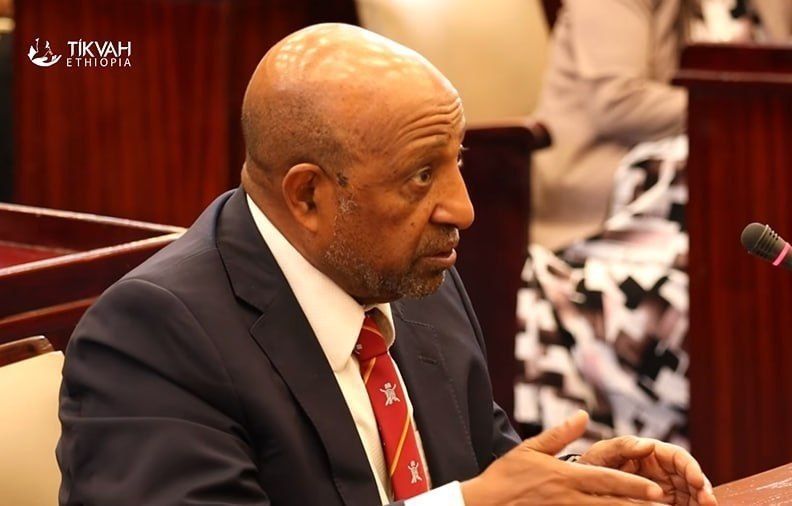
Professor Berhanu Nega, the Minister of Education, responded to the committee's inquiries by stating that the academic workforce must adapt to the reality of student choices. He emphasized that if subjects like Philosophy, History, or other social sciences are not being selected by students, the instructors assigned to those departments must move to areas where there is an actual demand for teaching and research.
"Both teachers and staff in our country do not want to leave the positions they have once held," Professor Berhanu remarked, criticizing a prevailing culture of institutional rigidity. He argued that instructors who previously taught in unpopular fields must be willing to move alongside students into fields that are more productive and sustainable for the national economy.
In addition to the field transitions, the Minister announced that the government would be implementing stricter oversight of academic staff. He specifically mentioned that instructors who fail to attend their scheduled classes without valid reasons would face disciplinary measures. This monitoring will be enforced strictly across the country, including in major institutions within Addis Ababa.
This directive is part of a broader series of reforms led by Professor Berhanu Nega aimed at improving the quality of education in Ethiopia. In recent years, the Ministry has introduced rigorous national exit exams for graduating students and has been working to restructure universities to ensure they produce graduates who are equipped for the modern workforce. By requiring instructors to pivot to high-demand fields, the Ministry aims to reduce waste and ensure that every educator is contributing effectively to the nation's human capital development.

Source: Telegram / tikvahethiopia