
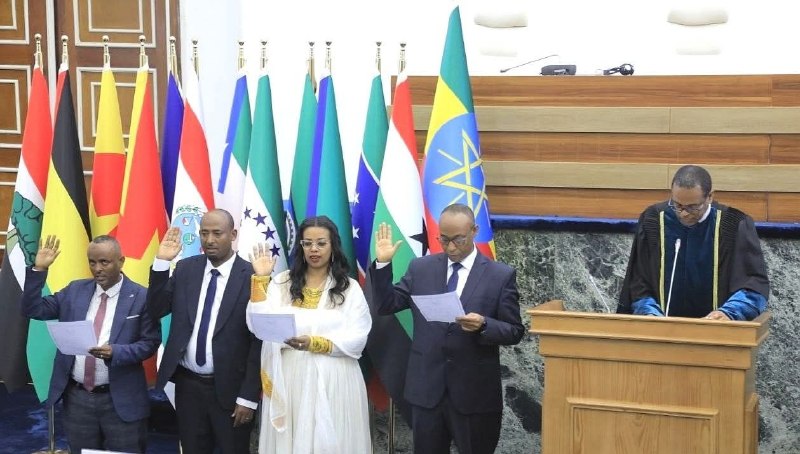
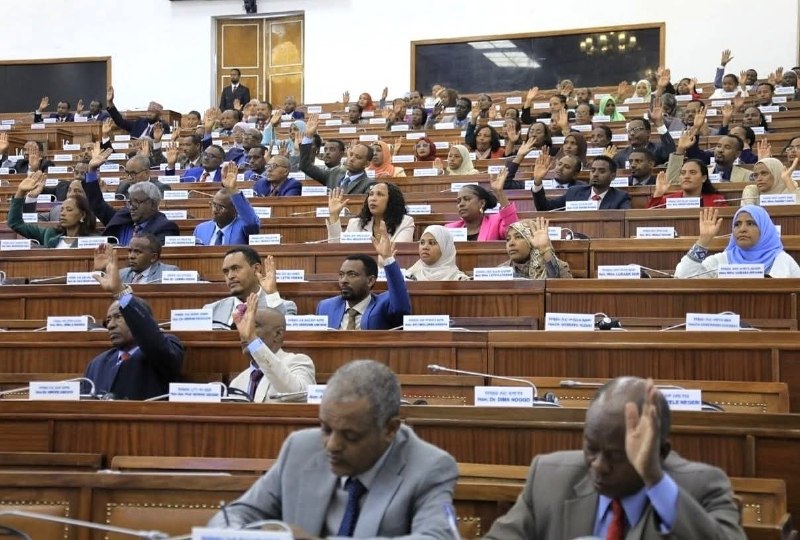
In its 16th regular session held on Thursday, the Ethiopian House of Peoples' Representatives (HoPR) officially approved the appointment of four new leaders to the Ethiopian Human Rights Commission (EHRC). The move aims to fill critical vacancies within the commission's leadership structure and strengthen its capacity to monitor and protect human rights across the nation.
The selection process was conducted in accordance with Proclamation No. 1224/2012, which governs the establishment and operations of the EHRC. According to parliamentary reports, the recruitment process was extensive, with a total of 173 candidates initially considered for the four vacant positions before the final nominees were presented to the house.
The newly appointed officials include: - Dr. Mizane Abate, who will serve as the Deputy Chief Commissioner of the EHRC. - Ms. Ashenefech Abebe, appointed as the Commissioner for Women and Children’s Affairs. - Mr. Mohammed Ahmed, who takes on the role of Commissioner for Persons with Disabilities and the Elderly. - Mr. Bedassa Lemessa, appointed as the Commissioner for the Education and Training sector.
The appointments were passed under Decision Number 9/2018 (Ethiopian Calendar) with a majority vote, recording only one abstention.
The Ethiopian Human Rights Commission is an independent federal institution accountable to the House of Peoples' Representatives. Its mandate includes promoting human rights, investigating violations, and ensuring that the government adheres to international and regional human rights instruments. These new appointments come at a time when the commission is expected to play a pivotal role in the country's ongoing legal and institutional reforms.
The parliamentary session highlighted that the selection of these individuals was based on their professional qualifications, experience, and commitment to human rights principles. The filling of these roles is expected to provide the commission with the necessary leadership to address complex human rights challenges and enhance its outreach to vulnerable groups, including children, the elderly, and persons with disabilities.
Source: Telegram / tikvahethiopia