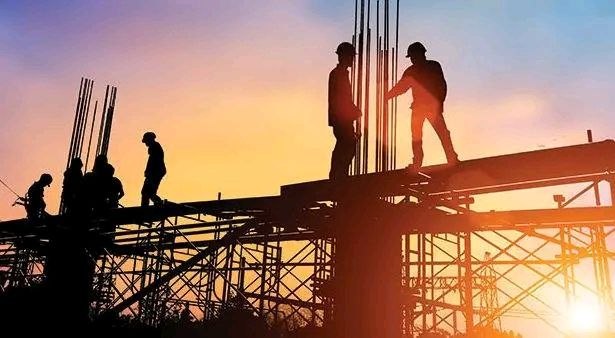
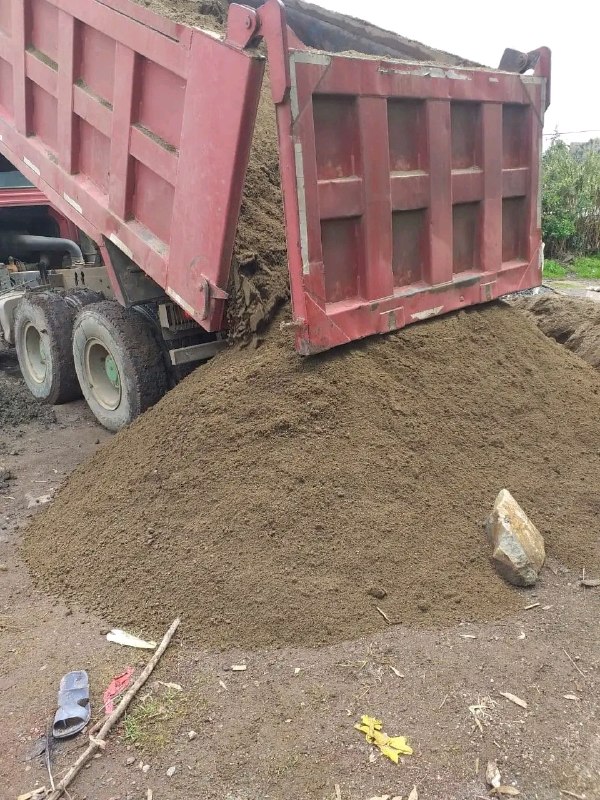
The Ethiopian construction industry is facing a severe crisis as the prices of essential building materials, including sand, gravel, and cement, have reached unprecedented heights. According to building contractors and industry representatives, the cost of a single truckload of sand has surged from approximately 70,000 ETB to as much as 130,000 ETB in recent months.
In an interview with Tikvah Ethiopia, the Ethiopian Construction Input Suppliers and Mineral Resources Employers Association highlighted the staggering trajectory of these costs. Ato Hailemariam Gebisa, the association's General Manager, noted that just three years ago, a 15-cubic-meter truck of sand cost roughly 12,000 ETB. Today, that same volume is being sold for upwards of 90,000 ETB at the source, with retail prices in cities like Addis Ababa climbing even higher.
The price hikes are not limited to sand. Gravel, which was priced at 60,000 ETB per truck only a few months ago, now exceeds 85,000 ETB. Building stones have seen increases in the thousands, while cement prices have reportedly tripled in some regions.
Industry leaders point to a combination of factors driving this inflation. The primary culprit is the ongoing national fuel shortage, which has drastically increased transportation costs. However, bureaucratic hurdles and logistical inefficiencies are also to blame. Ato Hailemariam cited issues with road weight regulations, where trucks capable of carrying 16 cubic meters are often restricted to 9 or 10 cubic meters, forcing transporters to hike prices to cover their overhead.
"We are forced to increase prices against our will," Ato Hailemariam explained. "Between paying employee salaries, purchasing expensive fuel, and meeting government tax obligations, the current margins are unsustainable. This is a national problem that is now being influenced by global trends."
The association is particularly concerned about the impact on gravel producers and other small-scale mineral investors. They are calling on the Ethiopian government to intervene by ensuring that investment policies and guidelines are strictly followed to prevent market manipulation and to stabilize the sector. Without intervention, industry experts warn that the rising costs could stall major infrastructure projects and private developments across the country, further straining the national economy.
Source: Telegram / tikvahethiopia