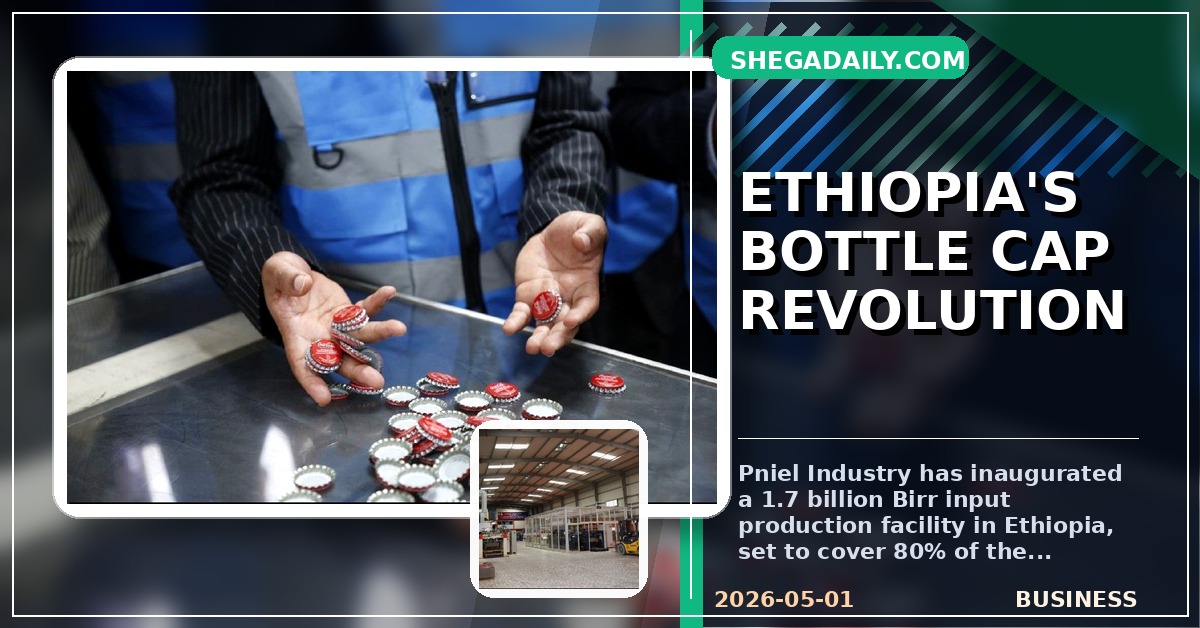
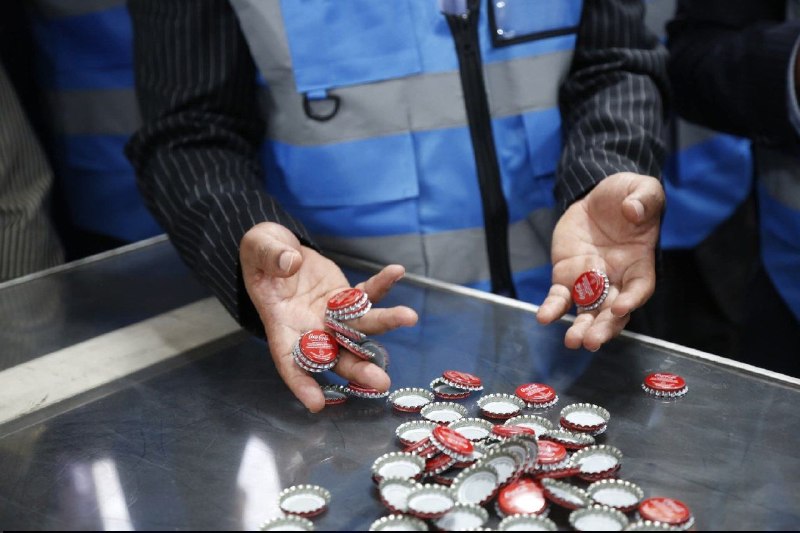
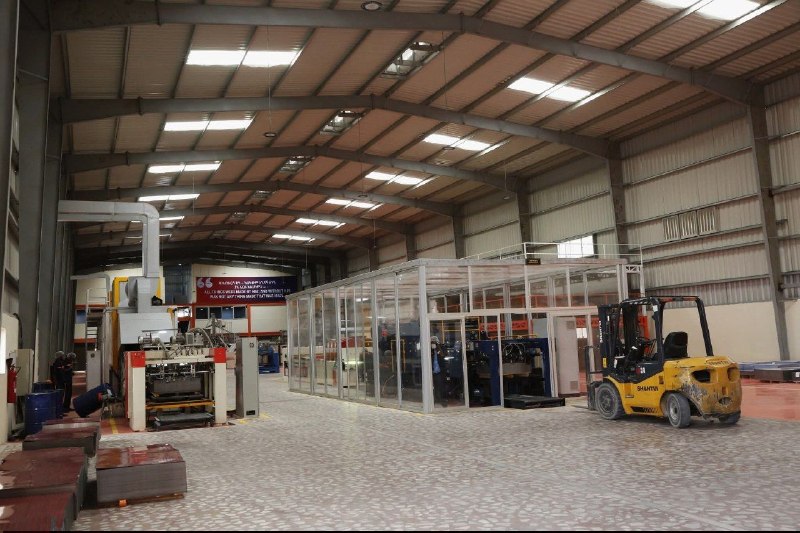
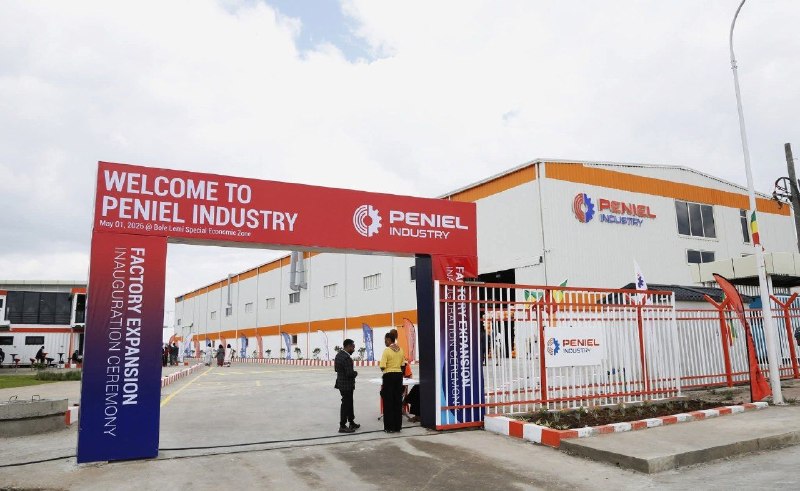
Pniel Industry, a prominent Ethiopian manufacturing firm, has officially inaugurated its new input production facility in the Bole Lemi Special Economic Zone, representing a substantial investment of 1.7 billion Ethiopian Birr. The state-of-the-art plant is projected to meet an impressive 80 percent of Ethiopia's domestic demand for bottle caps, marking a significant stride towards import substitution and industrial self-sufficiency.
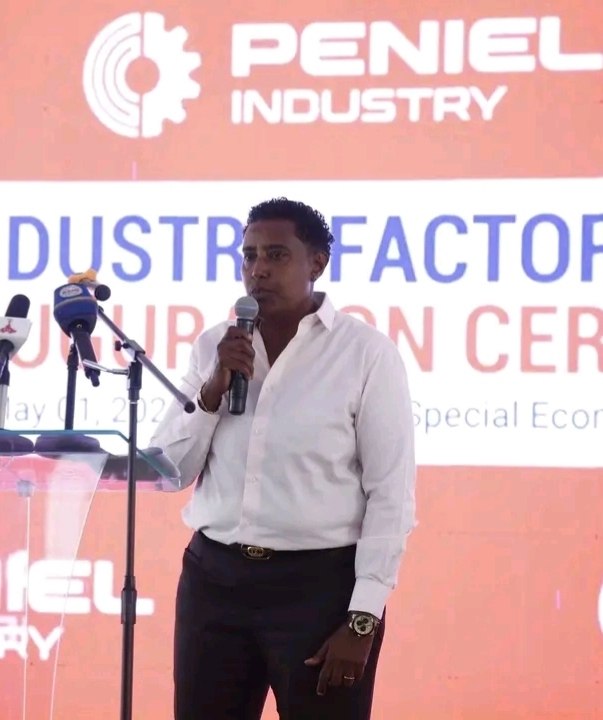
Ms. Birtukan Abebe, the founder and CEO of Pniel Industry, highlighted the company's commitment to self-reliance during the inauguration. "We constructed the building and acquired the machinery entirely with our own resources, without any bank loans," Ms. Birtukan stated, underscoring the firm's robust financial independence and strategic planning.
Further demonstrating a dedication to local capacity building, Ms. Birtukan revealed that while foreign experts were initially contracted for machinery installation, the company successfully trained 82 qualified Ethiopian professionals within three months. This rapid skill transfer allowed Pniel Industry to terminate the contracts of the foreign specialists, empowering a local workforce to manage complex industrial operations.
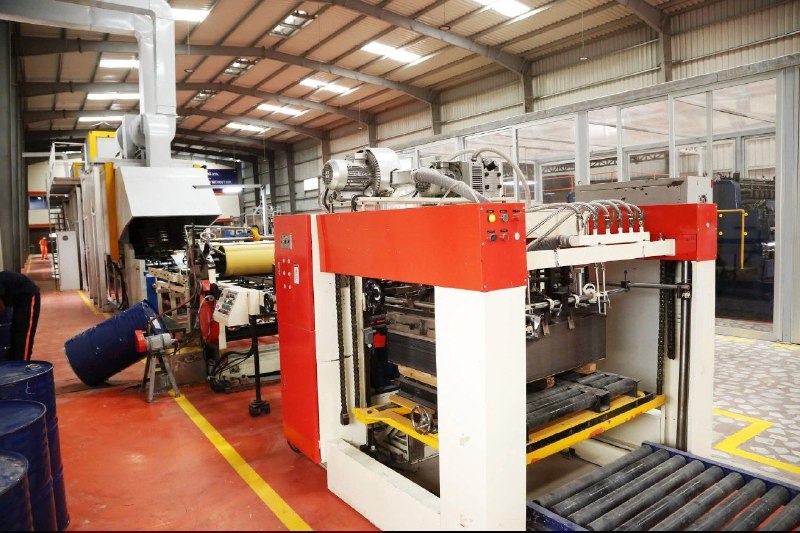
The newly inaugurated facility represents a strategic shift for Pniel Industry, moving beyond mere expansion into what Ms. Birtukan termed "backward integration" – the production of raw materials and inputs previously sourced externally. The company, established 14 years ago, initially produced 1 billion bottle caps annually, a figure that surged to 4 billion within five years. Historically, bottle caps were imported pre-printed; however, the new plant now enables domestic printing on thin steel sheets, adding another layer of local value creation.
The factory is equipped to supply bottle caps to various beverage companies, adhering strictly to European and American quality standards. The primary raw material, Tin Free Steel – a specialized, rust-resistant, and health-safe metal designed for food and beverage contact – is imported from China. By processing this raw material domestically, Pniel Industry is able to offer its products at a remarkable 60 to 70 percent discount compared to imported finished goods, providing a substantial economic advantage to local beverage producers.
Looking ahead, Pniel Industry has ambitious plans to further boost its production capacity, aiming to reach 8 billion units within the next two years, solidifying its position as a key player in the regional manufacturing sector.
Despite these successes, Ms. Birtukan also voiced a critical challenge facing the company: the disparity between selling products in Ethiopian Birr and making payments for inputs and services in US Dollars. "Our costs become extremely high because we sell in Birr but our payments are calculated in Dollars. We urge the government to rectify this payment system," she appealed.
In response to this concern, Ato Fitsum Ketema, Deputy CEO of the Industrial Parks Corporation, affirmed that payments for domestic investors are typically processed in Ethiopian Birr. He further assured that the corporation is actively assisting investors who encounter such challenges, indicating a commitment to fostering a supportive environment for local industries within Ethiopia's burgeoning industrial parks.
Source: Telegram / tikvahethiopia