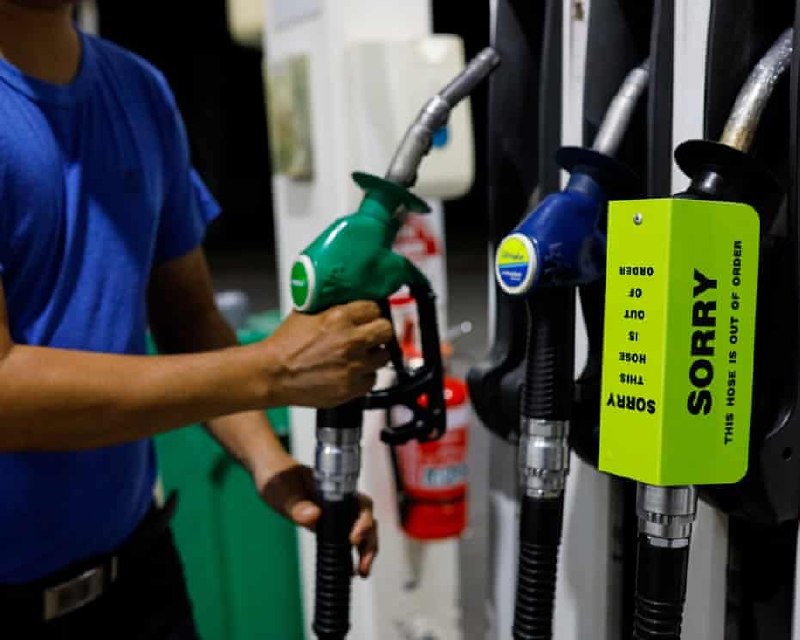
As global fuel prices continue to surge, nations are adopting starkly different strategies to manage energy consumption and ease the burden on their citizens. Egypt and Australia have both announced significant policy shifts in response to the ongoing supply chain disruptions, exacerbated by tensions surrounding the Strait of Hormuz.
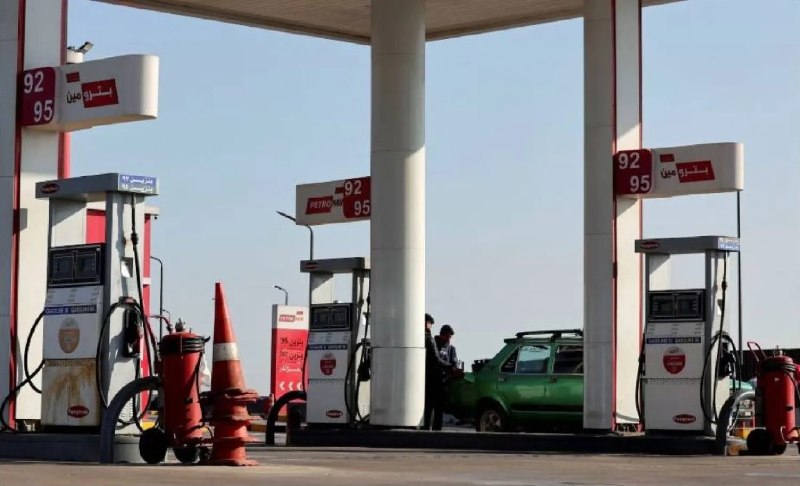
In Egypt, the government has introduced a series of strict austerity measures set to take effect this coming Tuesday. To curb energy consumption, retail shops, restaurants, and cafes are now mandated to close by 9:00 PM daily. Furthermore, the government has ordered the dimming of street lights and outdoor advertisements. To reduce commuting-related fuel usage, public sector employees have been instructed to work from home one day per week, though essential services such as hospitals, schools, and factories remain exempt. Recognizing the importance of the tourism sector, which accounts for approximately ten percent of the national economy, hotels and tourist attractions have been granted an exemption from these new operating hours.
Prime Minister Mostafa Madbouly noted that the country's fuel import costs have doubled since January, reaching $2.5 billion. In addition to the new restrictions, the Egyptian government has increased fuel and public transport prices, delayed energy-intensive infrastructure projects, and cut fuel allowances for government vehicles by one-third.
Meanwhile, in Australia, where fuel prices have spiked by 85 percent since January, the government has opted for an incentive-based approach. Residents in Melbourne, Geelong, and the wider Victoria state have been granted free access to public transportation for the entire month of April. Officials hope this measure will encourage citizens to abandon private vehicles in favor of buses and trains, thereby reducing the overall demand for fuel. Despite reports of long queues at petrol stations, authorities have assured the public that fuel reserves remain sufficient to meet demand.
These contrasting approaches highlight the diverse challenges nations face as they navigate the volatility of the global energy market.
Source: Telegram / tikvahethiopia