
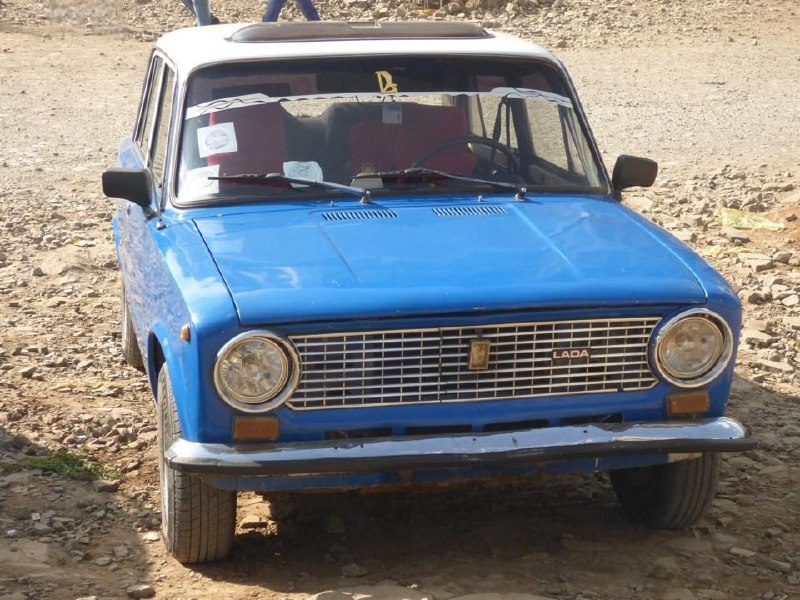
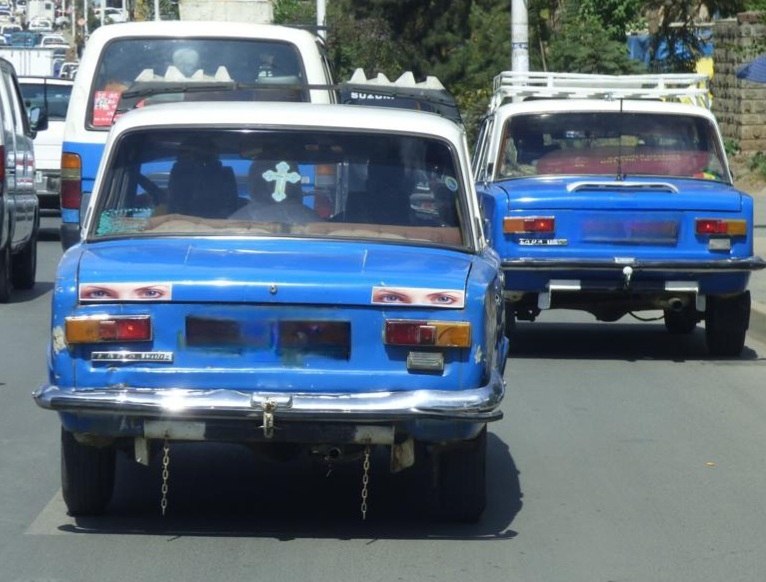
For years, the blue-and-white Lada taxis have been an iconic, if aging, symbol of the streets of Addis Ababa. However, for thousands of taxi owners, these vehicles have become a source of profound grief and financial ruin following a failed government-backed initiative to modernize the city's transport fleet.
Five years ago, a program was launched with great fanfare, promising to replace aging Lada taxis with brand-new vehicles. Under the initiative, facilitated by a company called Elauto with technical support from the government, taxi owners were encouraged to pay significant down payments to secure new cars. Today, that promise has largely evaporated, leaving thousands of families in a state of desperation.
According to reports from affected owners, approximately 10,500 individuals scraped together their life savings to pay deposits ranging from 114,000 to 130,000 Ethiopian Birr (ETB). Of those, only about 3,000 have actually received their new vehicles. The remaining 7,500 owners find themselves in a devastating limbo: they have neither the new cars nor the return of their deposits.
"We were told we would receive the cars within months," one owner shared. "We saved every penny from our daily labor to make the down payment. Now, our money has lost its value due to inflation, and the cars are nowhere to be seen."
The situation is made worse by the fact that many owners, acting on the promise of imminent delivery, sold their old Lada taxis for scrap prices—often as low as 40,000 to 50,000 ETB—and returned their license plates and registration documents to the authorities. Now, without a vehicle to operate and without their capital, many have lost their primary source of income and are struggling to feed their families.
The human cost of this failure is tragic. Owners report that some of their peers have fallen into deep depression, while others have faced even more dire consequences. In one heartbreaking instance, a taxi owner who was undergoing kidney dialysis reportedly passed away while waiting for a refund of his 130,000 ETB deposit—money he desperately needed for medical expenses.
As the cost of living and inflation continue to soar in Ethiopia, the original deposit amounts have lost significant purchasing power. The affected owners are now calling for urgent justice. Their demands are clear: either the immediate delivery of the promised vehicles or a full refund of their deposits adjusted for current inflation rates.
"We are workers who took food out of our children's mouths to pay for these cars," the group stated. "We were sold hope, but we have been left empty-handed. We seek justice."
While the program was initially hailed as a step toward modernizing Addis Ababa's transport sector, it has instead become a cautionary tale of administrative failure and corporate accountability. As the outcry grows, the thousands of families affected continue to wait for a response from the relevant authorities and the company involved.
Source: Telegram / tikvahethiopia